
Our Detroit History Tour of Michigan Central Station started with a cheery little fact: Roosevelt Park, that lovely green space in front of the station, sits on what used to be a cholera grave. About 40 people from the 1837 epidemic were buried there, according to Jeff, our guide.
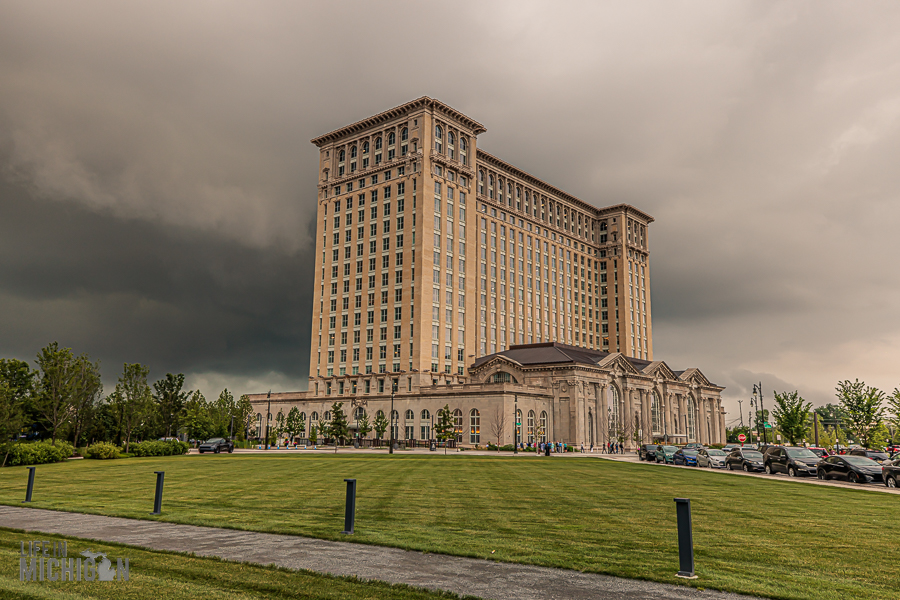
Michigan Central Station Tour
“Hmm,” I thought, not exactly the fun fact I was expecting to kick off a train station tour.
Jeff pointed across the park toward the CPA building and the Mercury Bar. “Does anyone know what CPA stands for?” he asked. It sounded like a trick question, and it was.
It was not Certified Public Accountant. CPA stood for “Collective Porters Association” or sometimes “Certified Ports Association.” It was where porters, men who worked on the trains and looked after passengers, stayed on layovers. They cashed their checks on the first floor, did laundry on the second, and could grab a bite at the lunch counter.
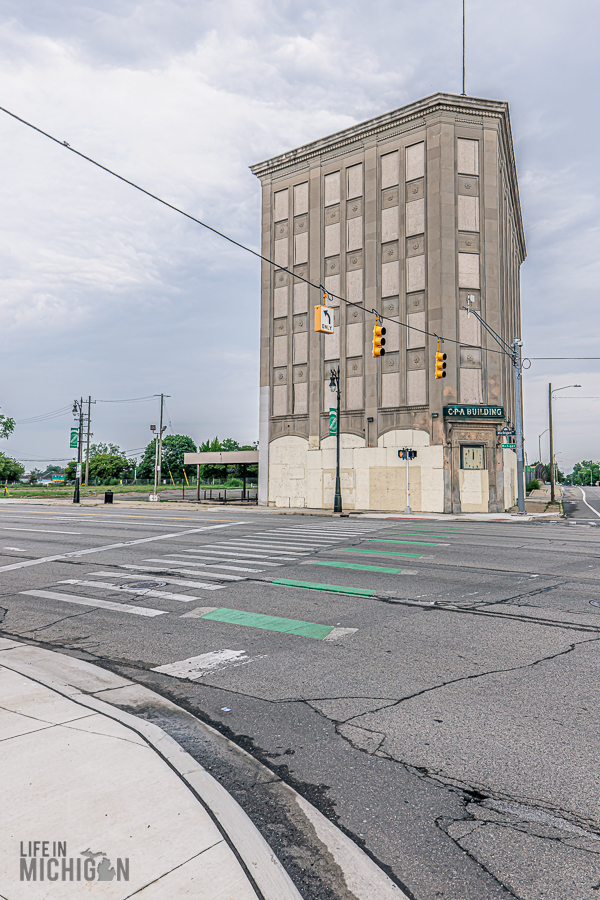
“Hmm,” I thought again, tucking that little gem away. I cannot wait to impress my friends the next time we are in Corktown together.
There was plenty more trivia, but I will not spoil the whole tour. You will need your own ticket for that. Since rain threatened, Jeff hustled us toward the station’s grand entrance.
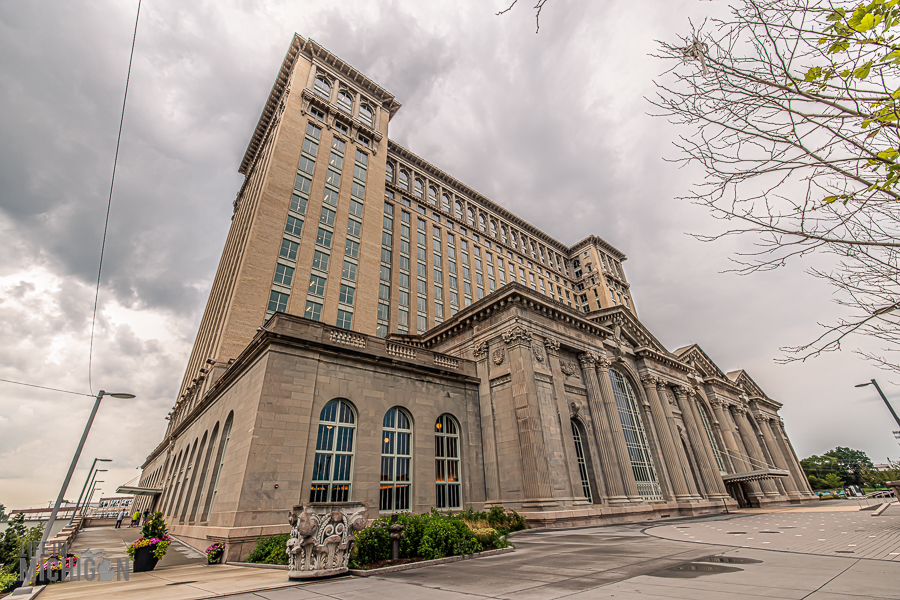
The Station’s First Opening
It opened in December 1913, two months earlier than planned because the old station burned down. Apparently, stuff burning down wasn’t uncommon then. (I think Jeff must also be a stand-up comedian, because his delivery of that fun fact was funny and generated a ripple of laughter in the group.)
The station itself was a Vanderbilt project, yes, those Vanderbilts. They hired their go-to architects, Warren and Wetmore, who also designed Grand Central in New York. When Michigan Central Station opened, it was the world’s tallest train station. Why build something so tall and not even have plans for the floors above five?
From Grand to Graffiti
The station thrived until 1988, when the last Amtrak train rolled out for Chicago. After that, Michigan Central sat empty for 30 years as a playground for trespassers, graffiti artists, urban explorers, and the occasional rooftop party goers. If you grew up near Detroit, odds are you either tried to sneak in, knew someone who did, or swore catching a sunrise from the roof meant good luck.
For decades, it was Detroit’s favorite ruin, half eyesore and half icon. As Jeff joked, “If you had asked me ten years ago whether it would ever be restored, I would have said, ‘Sure, right after they rebuild Tiger Stadium.’”
Then Ford swooped in 2018, and somehow the impossible started happening.
Restoration Magic (and 600 Tons of Rock)
Ford went all in. They reopened the original Indiana quarry and hauled back 600 tons of limestone to match the 1913 stonework. They replaced 2.7 acres of glass windows, many smashed decades earlier. Using 3D printing, they recreated chandeliers, plasterwork, and carved details so convincingly that you would never guess some of them were made of polymer.

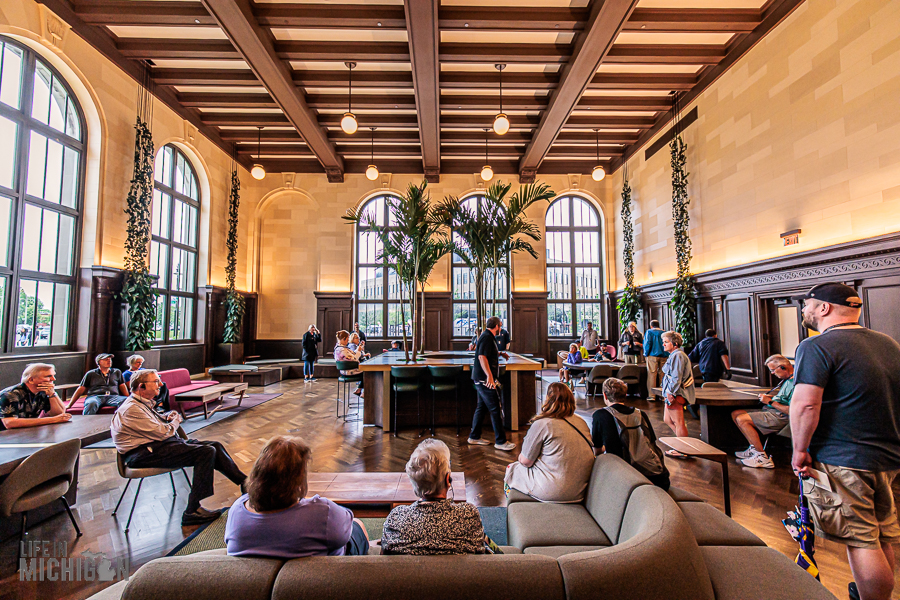
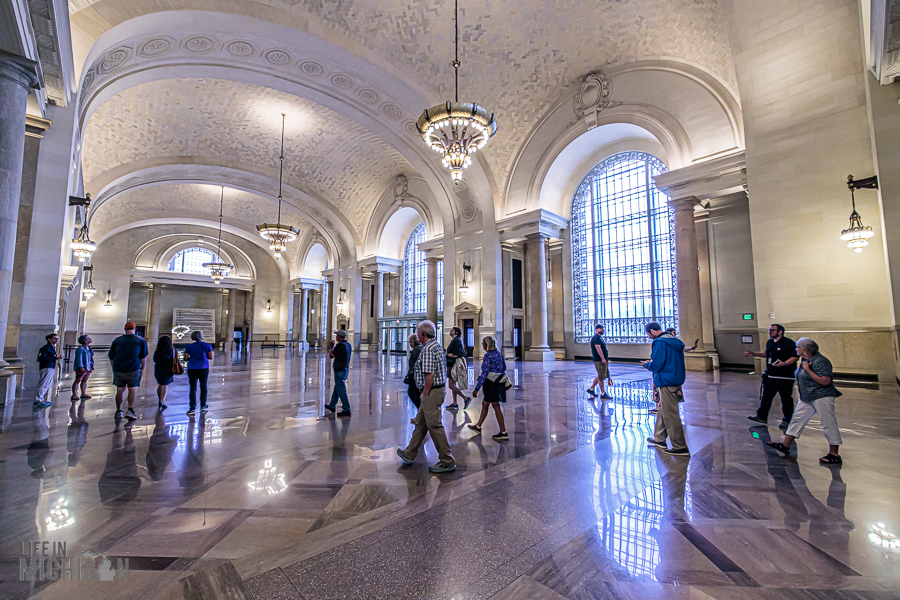
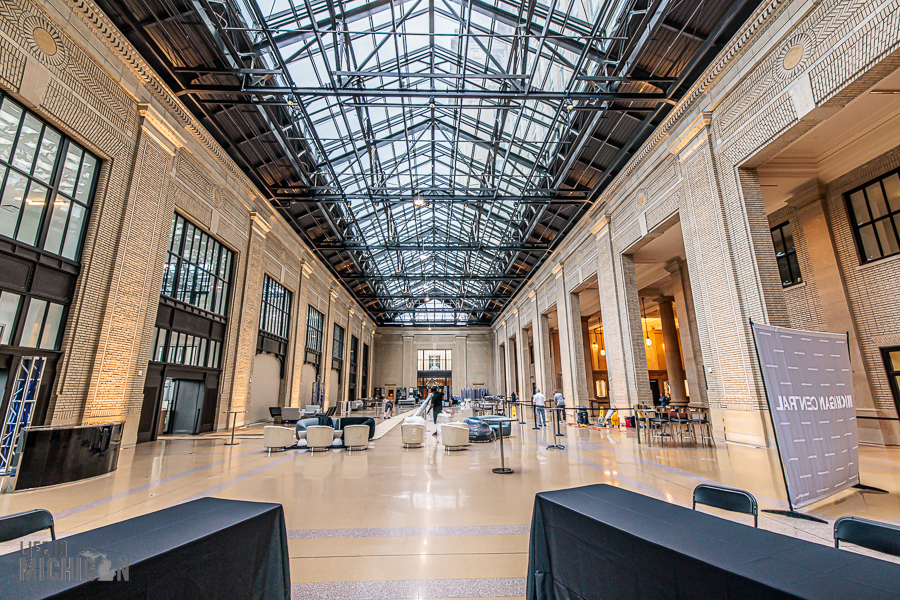
In the main concourse, two-thirds of the ceiling tiles are still original. The floor, 92 percent original, has been polished to a sparkling finish. Walking across it, I wondered if my grandmother Ruth ever passed through here. Did my Aunt Marjorie leave from this station when she went off to World War II? Did my cousins, who were heading to Vietnam, step onto trains right where I was standing?
Graffiti Hall
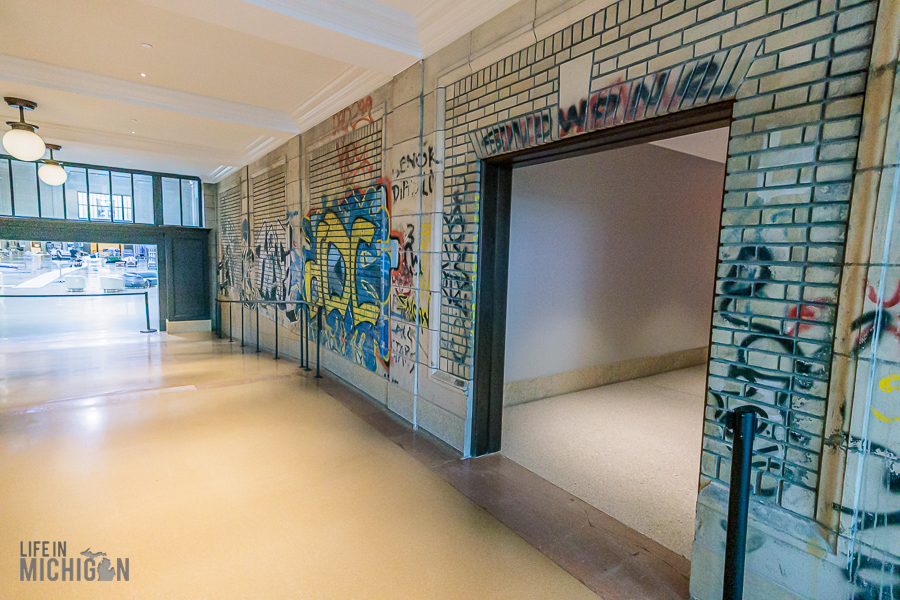
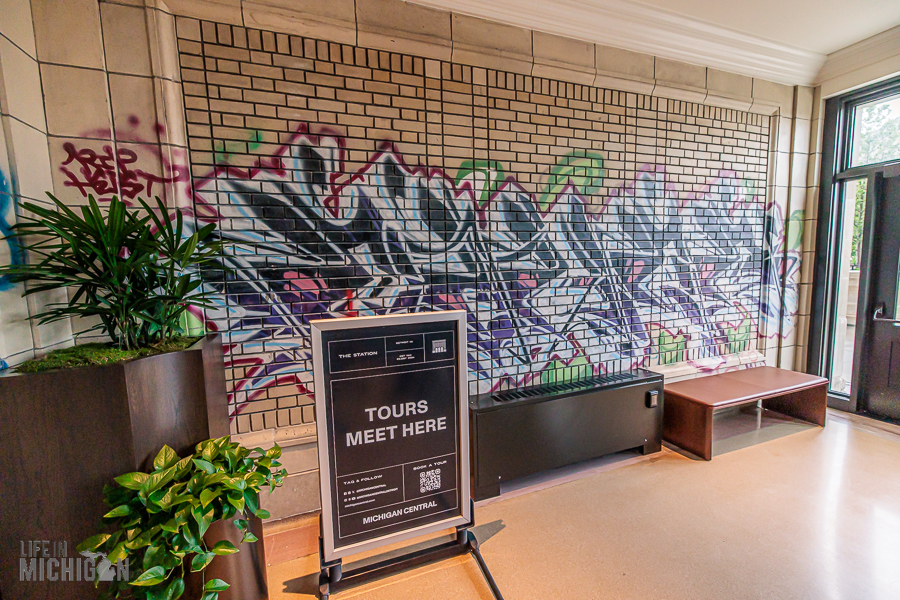
The graffiti hall tells a different part of the story. They kept one section of graffiti in place so you can still see what the station looked like during its abandoned years. I’m glad they left it. Scrubbing it clean would have been like pretending those years of ruin never happened.
Bootleggers, Bars, and a Staircase
The men’s lounge once doubled as a prohibition-era bar.
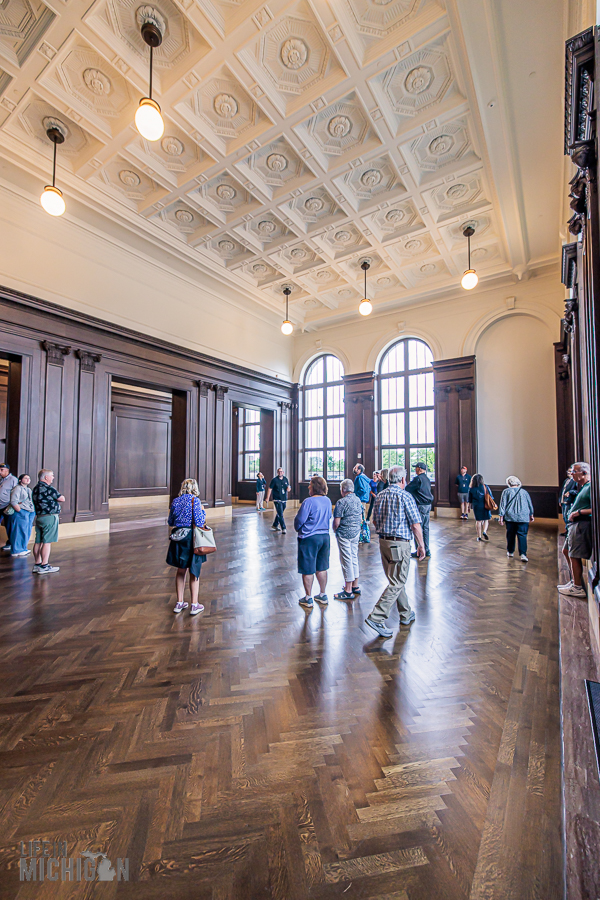
Jeff spun tales of bootleggers slipping flasks into pig carcasses to sneak them over from Canada. The railroad police were not exactly saints either. Confiscated liquor had a way of disappearing.
In the restaurant’s back room, we saw the only original staircase left in the station, preserved for decades simply because someone had walled it off into a closet.
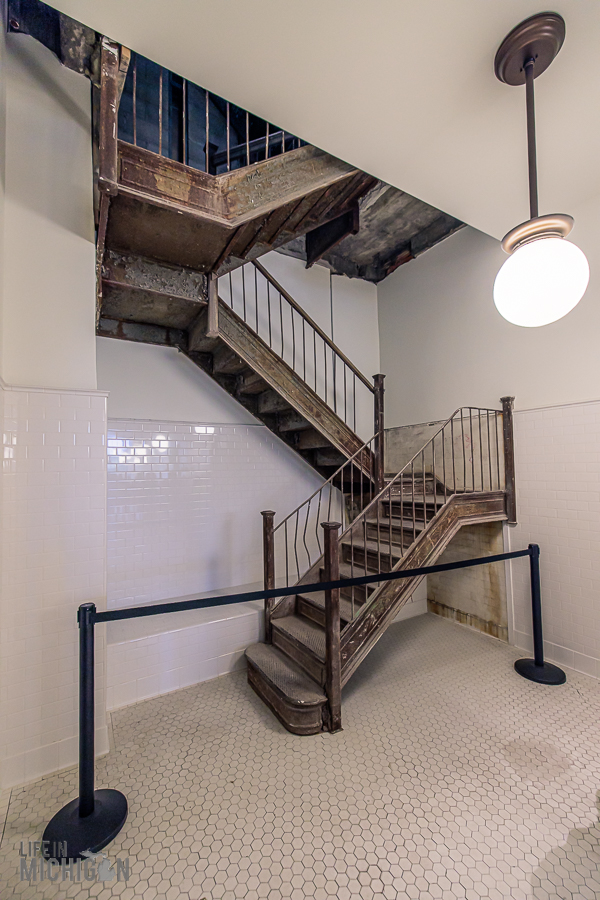
This is just a few of the many history lessons we learned about.
Looking Ahead
Today, the station anchors Ford’s mobility campus. The old Book Depository next door is now Newlab, buzzing with AI and EV startups. Plans for Michigan Central Station include restaurants, offices, and even a hotel, an idea first floated in 1913. If you are dreaming of a wedding here, bring your checkbook. Facility rental starts at $100,000.
We ended where we began, back at Roosevelt Park, looking up at the station’s massive facade. I thought about its long, strange trip, from cholera grave to Detroit’s favorite ruin to one of the most ambitious restorations in the city’s history.
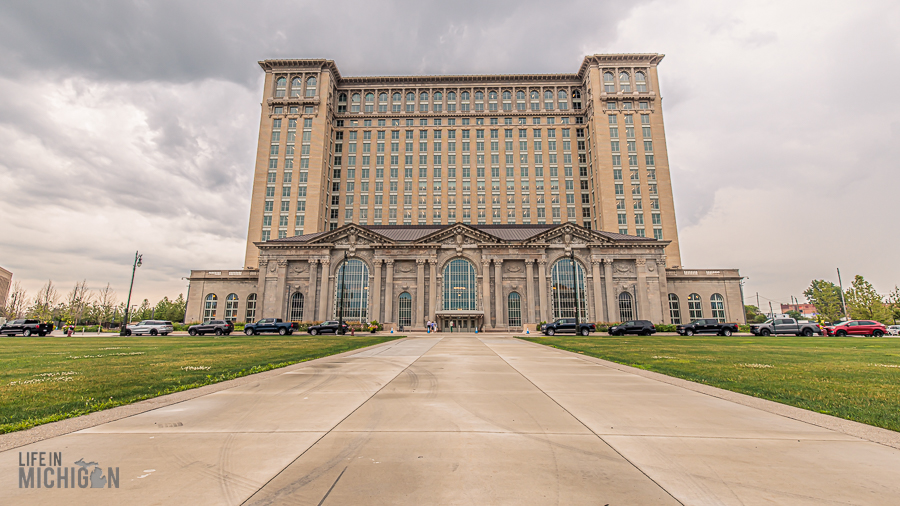
The tour gave me goosebumps more than once, and not just from the air-conditioning. Michigan Central Station is alive again, and walking through it felt like stepping into both Detroit’s past and its future.
More Pictures

We’ve got more pictures in our gallery.
Become a Supporter!
We warmly invite you to join our Life In Michigan community. Your support is not just appreciated—it is essential. It enables us to continue sharing the unique and captivating stories that showcase Michigan in all its vibrant glory. Whether you buy us a beer, treat yourself to a snuggly warm hoodie, or provide ongoing support through Substack, every contribution helps enhance our mission.
If our content resonates with you, we encourage you to become ambassadors of our stories. Share our work on your social media or forward a link to someone who would appreciate it as much as you do. Your support, in any form, breathes life into our cause and keeps the spirit of Life in Michigan thriving.
Thank you for being a vital part of our community.
Stay Connected
We’d love it if you liked our Facebook page. Better yet, subscribe to our Sunday Sip newsletter through Substack. You can also find us on Instagram.